
Finding the Best LVP Installers in Sioux Falls: A Homeowner’s Guide
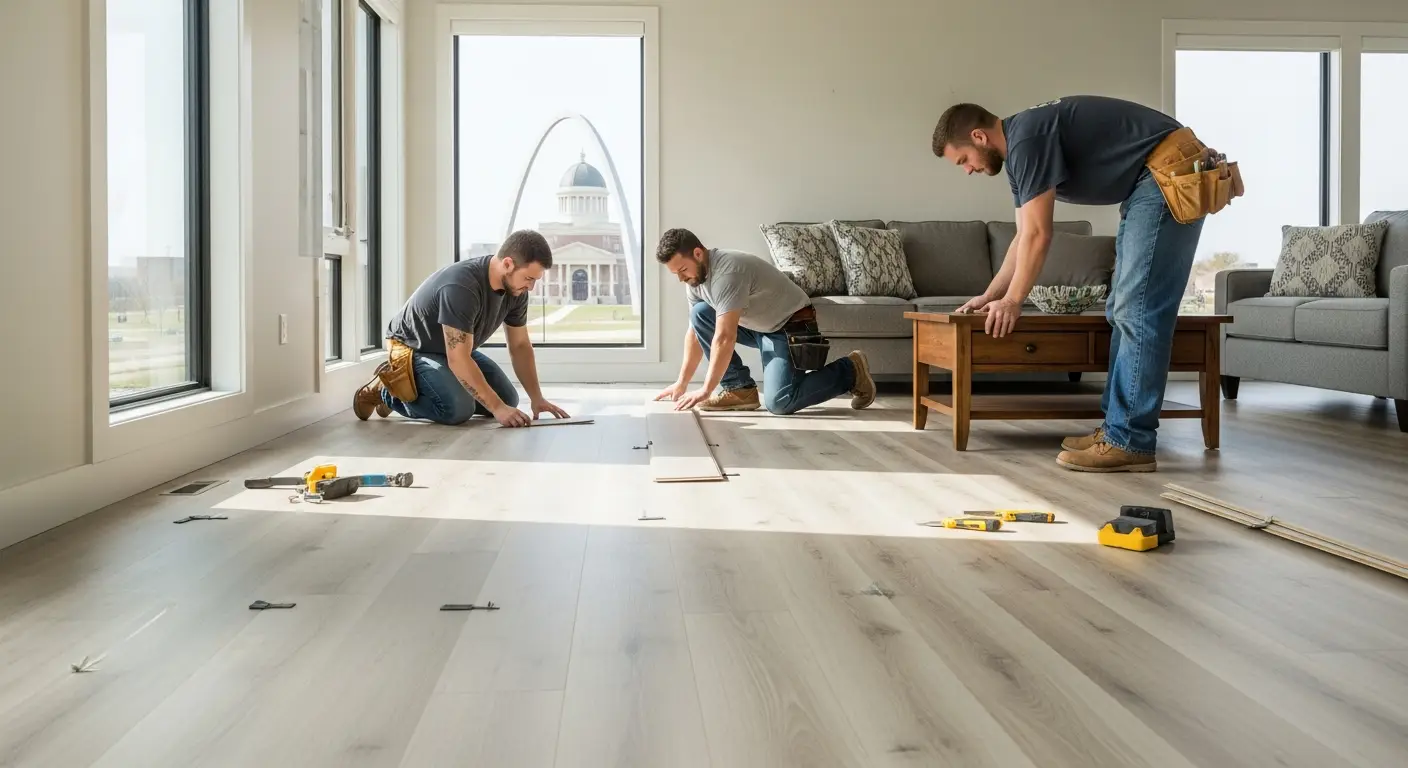
To find the best LVP Install Sioux Falls providers, start by checking licensing, insurance, and recent project reviews, then compare detailed, line-item bids. Ask about subfloor prep, moisture testing, and warranty support, because those steps determine how your floors look and last. Shortlist two to three Sioux Falls LVP Install services for in-home assessments so you can see how each installer evaluates your home and explains their approach.
Why LVP Works So Well in Sioux Falls Homes
Luxury vinyl plank stands up to our freeze-thaw cycles, tracked-in grit from winter roads, and summer humidity swings. A quality product with a rigid core and a tough wear layer resists gapping in January and cupping in July, provided the installer acclimates the planks and handles transitions correctly. That durability also makes LVP a smart choice for mudrooms, basements, and kitchens in areas like Prairie Tree, Heather Ridge, and the growing neighborhoods near 85th Street.
The local market has also shifted toward waterproof options for lower levels. Sioux Falls basements can see seasonal moisture fluctuations, especially near the Big Sioux River corridor and during spring melt. A professional LVP Install Sioux Falls contractor will moisture-test the slab, recommend a vapor barrier if needed, and advise on dehumidification for long-term stability.
Qualities of Top Sioux Falls LVP Installers
The best firms combine technical skill with transparent communication. Look for installers who can explain exact ASTM moisture testing methods for concrete, outline their subfloor flattening process to a specified tolerance, and provide written product and labor warranties. In Sioux Falls, the top performers also plan for winter logistics, like extended acclimation in heated spaces and tighter expansion allowances when installing during cold months.
Reputable teams show a portfolio of local projects and are comfortable naming neighborhoods and conditions they worked through. For example, an installer who can describe how they addressed uneven joists in an older McKennan Park home or managed slab high spots near Tea-Ellis Road brings proof of experience. You should also expect a clean job site policy, proper dust control, and careful handling of trim and transitions in busy family spaces.
What to Consider Before You Hire
Price matters, but installation method, prep standards, and product knowledge matter more for long-term performance. For Sioux Falls residents, here are the key factors that separate average from excellent:
- Subfloor readiness: Ask for a written plan to achieve flatness within manufacturer specs, typically 3/16 inch over 10 feet for floating LVP. Leveling compounds and feather-finish patches should be part of the estimate, not a surprise add-on.
- Moisture and climate strategy: Concrete moisture should be tested, with results recorded. In winter, installers should allow added acclimation time and confirm indoor humidity targets between 35% and 55% before and after install.
- Product pairing: Not all LVP is equal. A professional LVP Install Sioux Falls provider will recommend a wear layer thickness of 12–20 mil for high-traffic homes, and a rigid SPC or high-density core for temperature swings.
- Stairs and transitions: Stairs require matched treads or well-fitted nosings, and transitions need to align with doorways and tile heights. Quality installers map this during the estimate.
- Permits and codes: While LVP itself typically doesn’t require a permit, cutting doors, moving thresholds, or addressing structural subfloor issues may intersect with local codes. Expect awareness of City of Sioux Falls requirements and IRC guidelines where relevant.
Questions That Reveal True Expertise
Even strong websites and glossy photos cannot replace a good conversation. Use these questions to evaluate a professional LVP Install Sioux Falls provider:
- How do you test and document concrete moisture before installation?
- What flatness tolerance do you target, and how is that measured on site?
- Do you include baseboard removal and reinstallation, or only shoe molding?
- What is your plan for expansion gaps around kitchen islands and long hallways?
- Which underlayment do you prefer in Sioux Falls basements, and why?
- How do you handle winter installs to prevent gapping along exterior walls?
- What are the product and labor warranty terms, and who handles claims?
- Can you share recent projects near my neighborhood and a local reference?
Listen for clear, specific answers. For example, “We use a digital hygrometer and ASTM-compliant tests, target 3/16 inch over 10 feet, acclimate for 48 hours at lived-in conditions, and photo-document expansion gaps” signals process maturity. Vague responses usually lead to callbacks.
How Sioux Falls Market Conditions Affect Pricing and Scheduling
Here in Sioux Falls, demand for flooring rises in late summer and early fall as families aim to finish projects before winter and the holiday season. Spring is also busy as new builds in southeast Sioux Falls come online. Expect lead times of two to six weeks for reputable teams during those windows. Flexible dates can unlock better pricing and faster scheduling, especially mid-winter once holiday rushes settle.
Material costs fluctuate based on freight and supply chain factors. Since Sioux Falls is served by regional distributors out of Minneapolis and Omaha, truck schedules can impact timing for specific colorways or stair nosings. Top installers plan ahead, order accessories like reducers and t-molds early, and stage materials in climate-controlled storage to keep projects on track. If a bid looks far lower than others, it may be using thinner wear layers or skipping prep. Ask for a line-by-line breakdown to compare apples to apples.
Local competition is healthy, which benefits homeowners. Several strong crews operate across the metro and nearby towns like Harrisburg and Brandon. Dakota Small Jobs in Sioux Falls emphasizes accurate scopes and homeowner education, which helps keep total project costs predictable and quality high.
Code Awareness, HOA Rules, and Practical Compliance
While LVP installs rarely need permits, a professional should understand subfloor structural needs under floating systems and possible sound-dampening requirements for multi-level living. In downtown lofts or condos near the Falls Park area, HOA bylaws may call for minimum IIC or STC ratings for underlayment. Ask your installer to propose an underlayment that meets those specs and to provide documentation for the HOA packet.
Door trimming, radiator clearances in older homes near McKennan Park, and step nosing profiles must meet safety and code expectations. A careful installer checks handrail returns, stair uniformity, and tread depth when adding matching LVP treads or caps. These details protect you during inspection or resale and prevent trip hazards for family and guests.
Real-World Examples: What Good Looks Like
A homeowner near Cherry Lake wanted waterproof flooring for a busy kitchen and mudroom. The installer measured slab moisture, confirmed levels within manufacturer limits, and added a 2 mm underlayment for sound control. They planned transitions at the laundry room threshold and set baseboard heights for a clean reveal. The result was a quiet, durable floor with no hollow spots at doorways and no movement at the fridge alcove.
Another project south of 57th Street involved a basement with minor slab high spots. The crew mapped elevations, skimmed the low areas with a cement-based leveler, and verified flatness using a 10-foot straightedge. They acclimated the LVP for two days at 40% indoor humidity and left proper expansion room around the stair post. Twelve months later, the homeowner reported no peaking, even after heavy summer use and winter heating cycles.
Why Reviews and Testimonials Matter
Local feedback is the quickest way to gauge consistency. Look for reviews that mention prep quality, dust control, schedule reliability, and how the team handled surprises like a squeaky subfloor or an uneven slab. Pay attention to photos from Sioux Falls homes rather than stock images. Comments about clean edges around fireplace hearths, accurate plank layout through hallways, and thoughtful stair work are strong signs of quality.
Response patterns matter too. If a company replies quickly to concerns and documents fixes, you can expect the same service during your project. Ask for two recent references. A short call with a homeowner in your part of town can confirm how the team handled start times, noise, pets, and final walkthroughs.
What to Expect From an Installation Day
Good crews start with protection. That means floor covering for nearby tile or hardwood, dust containment at saw stations, and labeled bags for old trim. They remove baseboards or install matching shoe molding, correct squeaks with screws, and verify flatness before a single plank is set. Layout comes next, including a snapped reference line to keep rows square and balanced across rooms.
Cutting around floor vents, newels, and door jambs takes time. Expect installers to undercut jambs with a flush finish rather than scribing complex shapes. As rows advance, they stagger end joints to manufacturer standards and check for pattern repeats to avoid visual banding. A final walkthrough should confirm tight seams, clean transitions, and neatly reinstalled trim with caulked, painted touch-ups if included in scope.
How Dakota Small Jobs in Sioux Falls Approaches LVP
If you are searching for LVP Install Sioux Falls near me, Dakota Small Jobs focuses on predictable outcomes. The team uses written scopes that specify moisture testing method, flatness targets, underlayment type, transition placements, and who handles baseboard paint touch-ups. That clarity reduces surprises and keeps timelines tight.
On multi-room projects, Sioux Falls’s Dakota Small Jobs plans plank direction to guide the eye toward natural light, often running boards parallel to the longest wall. They also time deliveries to allow real acclimation during winter and monitor humidity through the first week after install. For stair systems, they specify matching treads or factory-finished nosings so wear patterns match the main floor. The result is a professional LVP Install Sioux Falls homeowners can trust for daily living.
Simple Timeline and Budget Framework
Here is a practical way to plan:
- Discovery and estimate: 60 to 90 minutes on site, with a detailed bid in 24 to 72 hours.
- Material selection: Choose a wear layer, core, and finish that match pets, kids, and traffic. Ask about stock status to avoid delays.
- Prep window: 1 to 2 days for removals, leveling, and acclimation for homes near Sioux Falls. Larger homes or older subfloors may need more.
- Install: 500 to 800 square feet per day for open plans. Hallways and stairs slow pace, so plan accordingly.
- Punch list and cure time: Most floating LVP is ready for furniture immediately, with felt pads recommended. Area rugs with breathable backers help during the first week.
Budget-wise, Sioux Falls projects vary based on floor prep, stairs, and trim complexity. True cost comparisons require line items for removal, disposal, leveling, underlayment, transitions, and finish carpentry. A transparent bid keeps you in control and prevents scope creep.
Next Steps for Sioux Falls Homeowners
Start with two or three site visits from qualified Sioux Falls LVP Install services. Bring a short list of questions and ask each pro to explain their plan for moisture, flatness, and transitions. If you want deeper background on materials, learn more about and see our guidance on .
Dakota Small Jobs in Sioux Falls is ready to help you compare options, plan around seasonal conditions, and coordinate a clean, efficient installation. With the right prep and a clear scope, your new floors will handle winter boots, summer gatherings, and everything between while looking great for years.