
The Ultimate Guide to Sioux Falls LVP Installations for Homeowners
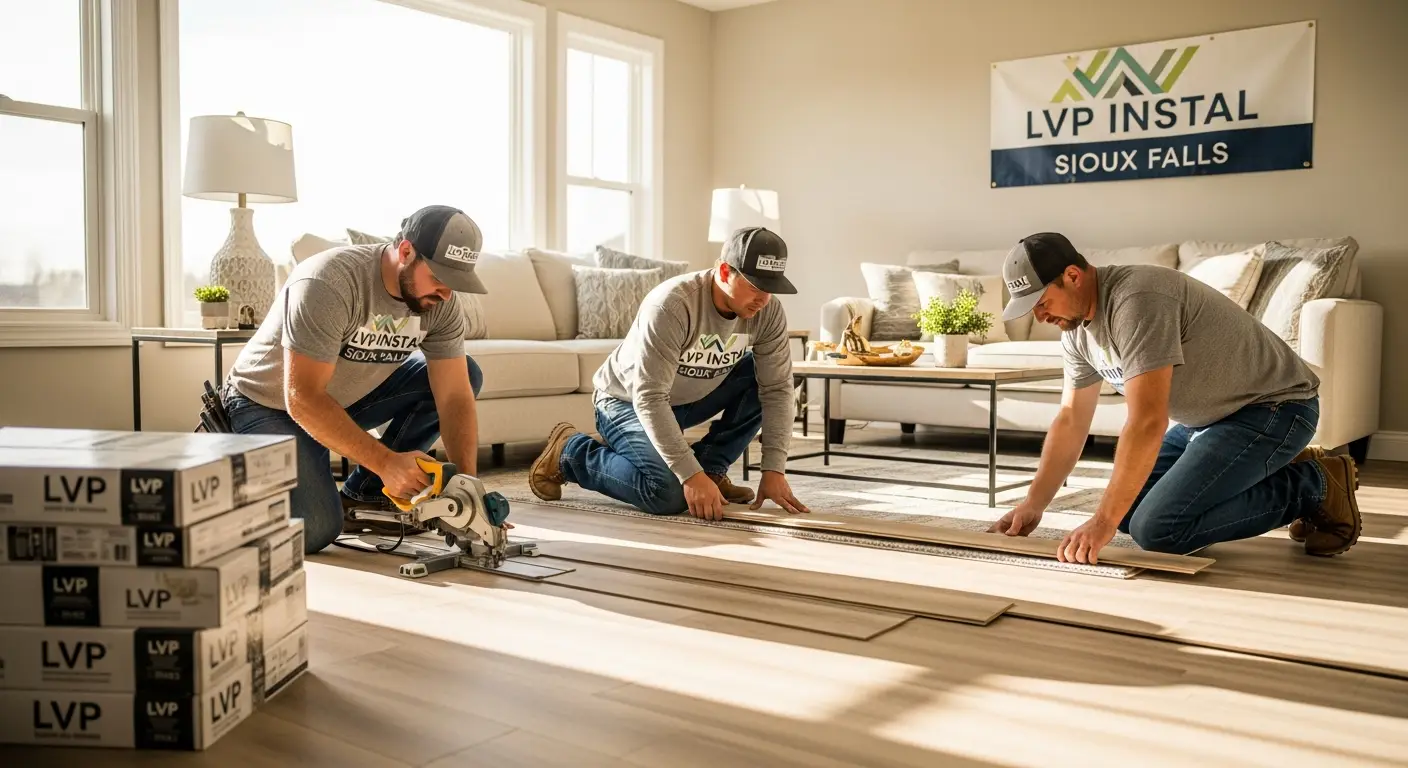
Luxury vinyl plank, or LVP, offers the look of hardwood with strong durability at a friendlier price. For Sioux Falls homeowners, it stands up well to temperature swings, busy households, and day-to-day wear. This guide explains how to choose the right product, hire the best installer, understand local costs, and maintain your floors so they look great for years.
What Makes LVP a Smart Choice in Sioux Falls
LVP is built with multiple layers, including a rigid core, a printed design layer that mimics wood, and a wear layer measured in mils. A 12 to 20 mil wear layer works well in most homes, while 22 mil and higher suits high traffic or light commercial use. The best part is how convincingly LVP copies the warmth and grain of oak, hickory, or maple without the upkeep required by solid wood.
Here in Sioux Falls, weather counts. Winter freeze-thaw cycles and dry indoor air can cause natural wood to gap or crown. Quality LVP is dimensionally stable, resists minor moisture, and is less sensitive to humidity changes. That makes it a practical choice for basements near the Big Sioux River, split-level homes in Prairie Tree, or busy entries around McKennan Park. Its softer underfoot feel, quiet step, and scratch resistance make it ideal for families with pets and kids.
Understanding Core Types, Wear Layers, and Textures
Not all LVP performs the same. Three details matter: core type, wear layer thickness, and surface texture. Rigid core products, often labeled SPC or stone-polymer core, are very dent resistant, which helps under heavy furniture or home gyms. WPC, or wood-polymer core, adds a touch more comfort and sound reduction, which some homeowners prefer for bedrooms and upstairs living areas. Both handle Sioux Falls temperature swings well if installed correctly.
The wear layer protects the design. For active households, 20 mil is a sweet spot. If you run a home daycare on the west side or your mudroom doubles as a hockey gear drop-off during winter, consider 22 to 28 mil. Texture also influences the finished look. Embossed-in-register surfaces align the grain to the printed image, improving realism. Low-gloss finishes hide micro-scratches and dust, a small but real advantage during our windy shoulder seasons when grit sneaks in through the garage.
Selecting the Right LVP Installer in Sioux Falls
Quality installation separates floors that last from floors that lift, gap, or squeak. Look for a local installer who understands subfloors common in Sioux Falls housing stock, from post-war basements near the Cathedral district to newer slabs in southeast developments. Ask to see project photos and confirm they follow manufacturer guidelines for expansion gaps and acclimation. If you plan to run LVP through an open concept from kitchen to living room, confirm the installer’s experience with long, continuous runs and transitions at patio doors that face winter exposure.
Dakota Small Jobs in Sioux Falls focuses on practical, code-aware installation backed by clear communication. A good local installer will test for slab moisture, check subfloor flatness within the 3/16 inch over 10 feet standard, and correct issues before laying planks. They should also discuss stair nosing options for split entries and options for flush transitions into tile near bathrooms. Clear scheduling, clean job sites, and written warranties show professionalism. If you’ve ever had flooring pop or separate along a cold exterior wall, you know the difference expert prep makes.
Local Codes, Moisture, and Acclimation: What Matters Here
While LVP is not regulated like structural components, installers still need to follow Sioux Falls building code around egress, stair safety, and fire blocking when doing stair caps or modifying thresholds. Moisture is the bigger local factor. Slab-on-grade basements near floodplains or older homes with minimal vapor control can push moisture upward. Your installer should test relative humidity in concrete using ASTM-compliant methods and use the right underlayment or vapor barrier where required by the LVP manufacturer.
Acclimation is another make-or-break step. Even with rigid core products that claim no acclimation, local pros often stage boxes in the home for 24 to 48 hours so the product temperature matches your interior. That small step helps minimize post-install movement when a January cold snap hits. If you run a fireplace near the new floor, ask your installer about maintaining humidity between 35 and 55 percent during winter. Small humidifiers can prevent minor gapping and keep the floor comfortable underfoot.
What Sioux Falls Homeowners Can Expect to Spend
Costs vary with material quality, subfloor prep, and layout. For planning purposes in Sioux Falls, many homeowners see installed prices in the 5 to 10 dollars per square foot range for solid mid-grade LVP, with premium lines and complex layouts going higher. Material-only ranges often land between 2.50 and 5.50 dollars per square foot for reputable brands with 12 to 20 mil wear layers, while trim, transitions, and stair parts add to the total. Stairs can be 50 to 120 dollars per step depending on complexity and nosing style.
Subfloor work drives variation. Self-leveling compounds, moisture mitigation, or removing brittle vinyl tiles from the 1970s can add several hundred dollars per room. Open floor plans along 57th Street and in Harrisburg-adjacent neighborhoods often require straight, long runs that benefit from laser alignment and extra layout time. It is wise to budget a 10 to 15 percent contingency for surprises such as hidden pet stains under carpet or uneven slab edges near patio sliders. A clear, line-item estimate from a provider like Sioux Falls’s Dakota Small Jobs protects your budget and clarifies what is and is not included.
Installation Steps That Produce a Flat, Quiet Floor
Good installers follow a sequence that reduces future problems and noise. Here is a practical overview you can use to evaluate any bid:
- Site prep and protection: Move furniture, protect cabinets and trim, and create dust control zones.
- Demo and disposal: Lift carpet and pad, remove tack strips and staples, and pull baseboards if needed for a clean edge.
- Subfloor inspection: Check flatness with a straightedge, address dips or crowns, and confirm moisture readings.
- Underlayment: Use manufacturer-approved pads for sound and minor deflection, or integrated-pad products if specified.
- Layout: Snap lines, dry-fit planks, and plan seam staggering to avoid H-joints and narrow rips along walls.
- Installation: Use appropriate expansion gaps, seat click-lock joints correctly, and avoid tapping methods that deform tongues.
- Transitions and trim: Install reducers, T-molds, and stair noses securely. Reinstall or replace baseboards with caulked tops for a finished look.
- Cleanup and walkthrough: Vacuum, remove dust, and review maintenance and warranty terms with the homeowner.
This method works whether you live near the Avera campus or out by Tea-Ellis Road. The key is patience during layout and strict moisture control on basements and slabs.
Maintenance That Fits Sioux Falls Seasons
LVP is low maintenance, but small habits make it last longer. Keep grit off the surface with a front mat inside and another outside, especially during spring thaw when sand from winter traction shows up at every doorway. Vacuum using a hard-floor setting and damp mop with a cleaner approved by your flooring brand. Avoid steam, wax, and oil soaps. If ice melt finds its way onto the floor after a storm, wipe it quickly, since salts can dull a finish over time.
Furniture pads matter. Place felt pads under chair legs and change them twice a year. For rolling office chairs, use soft casters or a smooth chair mat. If the sun hits your living room from late afternoon to sunset, use shades during peak hours to limit fading. While LVP handles moisture better than wood, wipe standing water in bathrooms and near patio doors. Many Sioux Falls homeowners set a winter humidifier target near 40 percent, which keeps both floors and sinuses happier.
Choosing Styles That Fit Local Homes
Home styles around Sioux Falls range from mid-century ranches near Tuthill Park to new builds east of Veterans Parkway. Wide planks in the 7 to 9 inch range create a calm, modern look that suits open kitchens, while classic 6 inch planks feel balanced in smaller rooms. Lighter oak tones brighten basements and help reflect limited winter daylight. If you love rustic, look for hand-scraped textures with lower sheen that hide daily wear from kids after weekend sports at the Sanford Sports Complex.
Think about transitions too. If you have tile in the kitchen or baths, choose an LVP color that harmonizes with your grout tone rather than matching the cabinet stain exactly. That gives your space a timeless feel and avoids a “too close, not quite right” clash. For stairways, many brands offer matching stair noses. If not, Dakota Small Jobs in Sioux Falls can fabricate stained wood nosings that coordinate closely with your chosen plank.
How to Compare Bids and Avoid Common Pitfalls
The lowest estimate is not always the best value. Ask whether the price includes floor leveling, moisture testing, baseboard reinstallation, and disposal. Confirm the product’s wear layer and warranty. Request that your installer follow the manufacturer’s expansion and temperature guidelines, which often specify a minimum room temperature during install and a maximum continuous run length without transitions. These details prevent edge-lift and peaking near doorways during our cold snaps and summer highs.
Scheduling matters in Sioux Falls. Spring and early summer are busy for remodeling. If you want installation before family arrives for the Sioux Empire Fair, book early. Clear communication on lead times for materials, especially special-order colors, helps avoid delays. Many homeowners appreciate a partial-room demo plan so the home remains livable. Sioux Falls’s Dakota Small Jobs often phases work so kitchens and bedrooms remain accessible at the end of each day.
Why Local Experience Pays Off
Local installers who work across neighborhoods like Brandon, Harrisburg, and central Sioux Falls see a wide range of subfloor conditions. That experience translates to better planning, fewer surprises, and a smoother install. You also gain a resource for long-term care and small repairs if you ever need a plank swap after a plumbing mishap. For homeowners searching best LVP Install Sioux Falls or Sioux Falls LVP Install services, the right partner is the one who treats your space like their own and backs it with local references and clear warranties.
Dakota Small Jobs in Sioux Falls offers practical advice on product selection, accurate measurements, and honest timelines. Whether you need a quick refresh before listing a home near Falls Park or a whole-house upgrade on the south side, a local team that understands our climate, codes, and housing styles saves time and protects your investment. If you are comparing LVP to other options, learn more about and see how it stacks up to laminate in .
Ready to Plan Your Project?
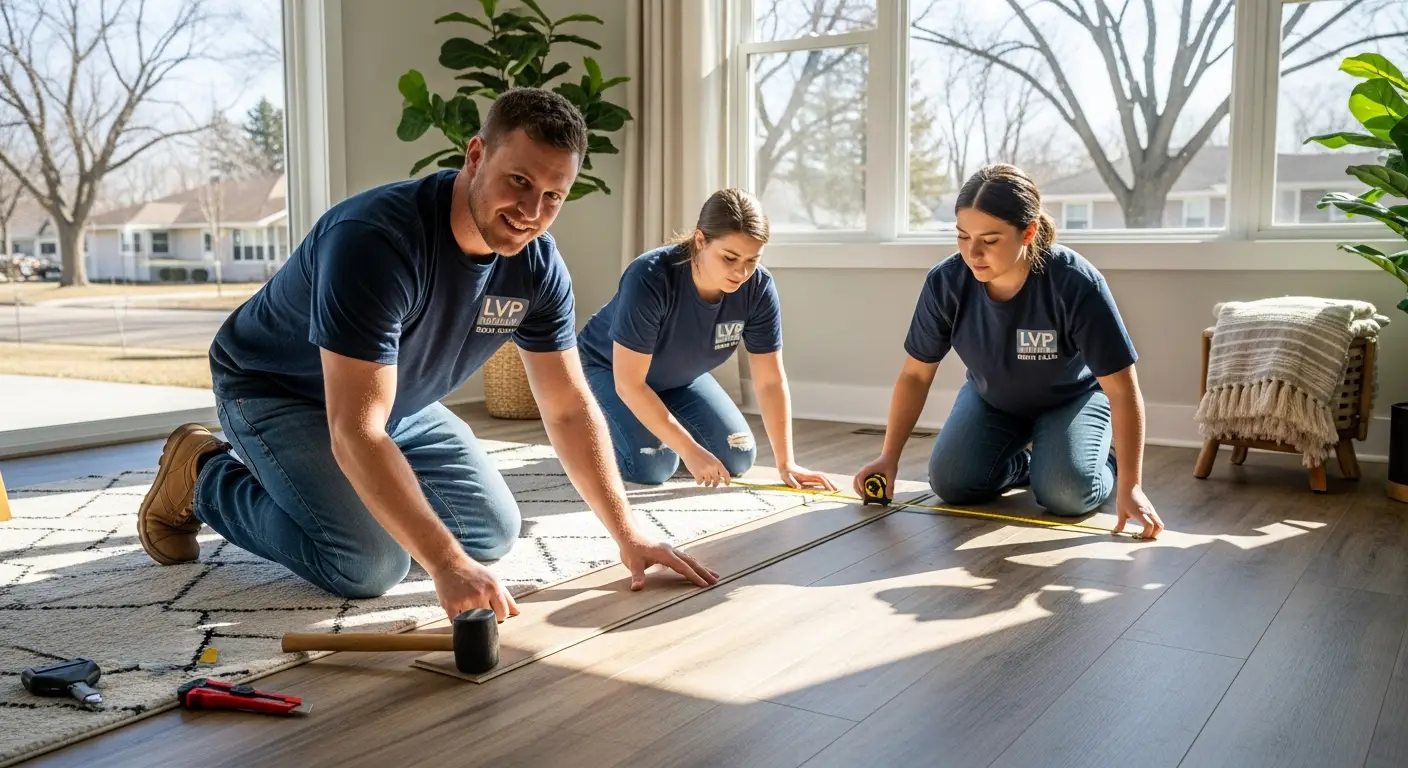
If you are searching LVP Install Sioux Falls near me or LVP Install Sioux Falls nearby, start with a simple checklist. Measure your rooms, note any uneven spots, and pick two or three color families that work with your trim and cabinets. Ask for a moisture evaluation if you have a basement slab or a garden-level family room. Then get a detailed, written proposal. A thoughtful plan prevents callbacks, keeps your budget in check, and delivers a floor that looks right on day one and year five.
LVP has earned its place in Sioux Falls homes because it balances style, performance, and price. With the right material, careful prep, and a skilled installer like Sioux Falls’s Dakota Small Jobs, you can expect a quiet, comfortable floor that stands up to kids, pets, and the four-season rhythm of life on the prairie. For more planning tips on timing and budget, see .